Watercolor Beach Heart: A Designer’s Stitch Review
As an embroidery designer who has tested countless digital files for both personal passion projects and client commissions, I approach every new machine embroidery design with a healthy dose of skepticism. We have all downloaded beautiful artwork that looks stunning on screen but turns into a thread-bird’s nest or a stiff, bulletproof patch once stitched out. When evaluating the Watercolor Beach Heart, my primary focus is not just its aesthetic charm as one of many digital Illustrations, but its actual performance under the needle. This review breaks down how this specific motif translates from screen to fabric, helping you decide if it belongs in your next embroidery project.
First Impressions and Visual Mood
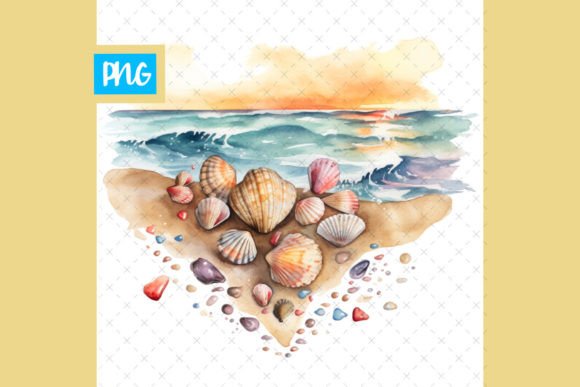
The Watercolor Beach Heart immediately evokes a sense of nostalgia and coastal calm. Unlike rigid, geometric vector art, this design relies on soft transitions and organic shapes to mimic painted watercolors. For a maker or Etsy seller, this mood is valuable because it taps into current trends favoring gentle, hand-painted aesthetics over sharp corporate logos. The heart shape provides a natural boundary that contains the "beach" elements—likely sands, waves, or shells—making it versatile for center-chest placement or pocket-sized accents.
However, translating watercolor effects into thread requires sophisticated digitizing. My first technical observation is how the design handles color blending. True watercolor implies transparency, but thread is opaque. A successful embroidery file in this style must use varying stitch density and strategic running stitch layers to create depth without excessive bulk. If the Watercolor Beach Heart achieves this balance, it will feel like art rather than a dense patch. If it relies too heavily on solid fill stitch areas to simulate color, you risk a stiff result that distorts lightweight fabrics.
Real-World Application: The Custom Tote Bag Test
To truly judge this design, I mentally placed it in a real production scenario: creating a custom canvas tote bag design for a summer boutique collection. Tote bags are high-traffic items that need to withstand wear, washing, and the natural texture of canvas. In this context, the Watercolor Beach Heart serves as a focal point that elevates a generic blank into a premium handmade product.
For this application, the design’s success hinges on contrast against unbleached cotton. Canvas has a visible weave that can swallow fine details. If the Watercolor Beach Heart uses very light pastel threads, they might disappear into the fabric grain. As a reviewer, I would recommend testing thread colors that are slightly saturated to ensure the beach scene remains legible. Furthermore, tote bags require sturdy stabilizer. Because this design likely involves multiple color changes to achieve the watercolor effect, proper hooping is non-negotiable to prevent registration issues where the sand meets the sea within the heart shape.
From a business perspective, this design adds perceived value. Customers associate intricate, artistic embroidery with higher quality than simple text. Using Watercolor Beach Heart on merchandise allows for a higher price point compared to basic monograms, provided the stitch-out is clean and professional.
Fabric Compatibility and Technical Caution Zones
While the Watercolor Beach Heart shines on stable substrates like canvas, denim, or twill, it demands caution elsewhere. Here is where practical experience dictates your material choices:
- Stretchy Fabrics: If you plan to use this for sweatshirt embroidery or knit tees, be aware that watercolor-style designs often have variable density. Heavy fill areas next to open spaces can cause puckering on knits. You must use a cut-away stabilizer and potentially a topping to keep the stitches from sinking into the fleece.
- Sheer and Lightweight Fabrics: For baby embroidery on onesies or muslin, verify the total stitch count. A dense watercolor effect can be too heavy for delicate infant wear, causing the garment to sag. Always test on scrap fabric first.
- Curved Surfaces: Avoid using this design on structured caps unless it is specifically digitized for curved hoops. The horizontal alignment required for a beach horizon line inside a heart is unforgiving on a curved surface; even minor shifting will make the ocean look tilted.
- Dark Fabrics: Watercolor relies on light passing through layers. On black or navy fabric, the design may lose its luminosity unless you stitch a white underlay base first. Check if the digital embroidery file includes an underlay layer intended for dark garments.
Commercial Viability for Makers and Sellers
For small shop product lines and craft business owners, consistency is key. The Watercolor Beach Heart offers excellent branding potential because its artistic nature makes it distinct. However, before listing finished goods, consider the longevity of the design. Will the colors fade? Is the satin stitch border (if present) secure enough to prevent fraying after repeated washing? These factors directly impact customer trust and reviews.
If you are selling design assets or the embroidery file itself to other stitchers, transparency is vital. Clearly state the recommended hoop size and ideal fabric types in your listing. Buyers need to know if this is a 4x4 friendly design or if it requires a larger field. Additionally, always confirm licensing terms. Just because a design fits your aesthetic does not mean it is cleared for commercial embroidery on mass-produced items versus limited handmade runs.
Essential Pre-Stitch Checklist
Before committing Watercolor Beach Heart to your final custom apparel or personalized gift, run through this professional verification list:
- Printable Mockup vs. Reality: Do not rely solely on digital previews. Software renders cannot show thread sheen or tension issues. Stitch a sample on the exact fabric you intend to sell.
- Stabilizer Match: Pair the stabilizer weight to the design density, not just the fabric. Complex illustrations often need more support than simple text.
- Color Contrast Check: View your thread selection in natural daylight. Indoor lighting can make beach tones look muddy or washed out.
- Detail Inspection: Zoom in on the smallest elements of the heart. Are tiny seashells or foam details represented by single running stitches that might get lost? If so, simplify or enlarge the design.
- Wash Test: For items like kitchen towels or baby blankets, wash and dry your test swatch. Watercolor fills can sometimes distort or pull fabric after laundering if not properly stabilized.
Final Verdict for Creative Entrepreneurs
The Watercolor Beach Heart is a compelling choice for makers seeking to add softness and artistic flair to their inventory. It bridges the gap between seasonal novelty and timeless sentiment, making it suitable for everything from summer market stalls to wedding favors. Its success, however, depends entirely on respecting the technical limitations of translating paint to thread. By treating this embroidery project with professional rigor—testing densities, matching stabilizers, and verifying fabric compatibility—you ensure that the final finished product honors the beauty of the original illustration. Whether you are an apparel decorator expanding your summer line or a hobbyist stitching a heartfelt gift, this design offers significant creative reward when executed with care.