Endangered Watercolor Snow Leopard: A Stitch Review
When evaluating a new machine embroidery design for commercial or personal use, the first question is always about translation. Will this digital artwork actually read as a cohesive image once thread hits fabric? With the Endangered Watercolor Snow Leopard, my initial assessment focuses on the delicate balance between artistic fluidity and structural integrity. As an illustrator-style digitization, this piece carries a specific mood that differs vastly from traditional cartoon or logo-based files. It feels ethereal and conservation-minded, suggesting a narrative rather than just a decoration. For makers and Etsy sellers, this distinction matters because it dictates where the design belongs in your product lineup.
First Impressions and Artistic Translation
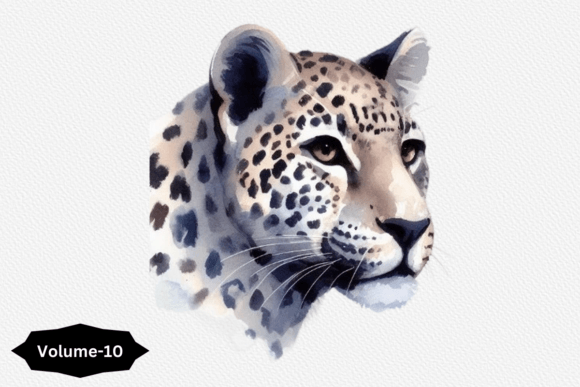
The visual personality of the Endangered Watercolor Snow Leopard leans into soft edges and blended tones. In the world of Illustrations, capturing the transparency of watercolor through embroidery requires sophisticated layering. When I review a file like this, I am looking for how the digitizer handled color blending. Does it rely on heavy satin stitch borders that kill the softness, or does it utilize complex fill stitch patterns to mimic brush strokes? This particular design appears to favor the latter, creating a painterly effect that respects the source material.
For a craft business owner, this aesthetic signals "premium." It moves away from generic clip art and toward boutique branding. The shape of the snow leopard likely offers organic curves rather than rigid geometry, which is excellent for centering on garments but requires careful placement. The theme of endangered species also adds emotional weight, making it highly suitable for eco-conscious brands, wildlife fundraisers, or educational merchandise. It is not just a pretty animal; it is a conversation starter.
Real-World Application: The Custom Sweatshirt Test
To truly judge viability, I mentally place the Endangered Watercolor Snow Leopard onto a real project. Let’s consider a high-end, unisex sweatshirt intended for a fall/winter collection. This is a common custom apparel request, but fleece and French terry fabrics present unique challenges for detailed artwork.
In this scenario, the design needs to hold its own against the texture of the fabric. If the stitch density is too low, the fleece will poke through, muddying the watercolor effect. If it is too high, the garment becomes stiff and unwearable. Based on the intricate nature of snow leopard spotting and fur texture, I would treat this as a centerpiece design. It demands space to breathe. Placing this on the left chest of a hoodie might result in lost detail at smaller sizes. Instead, I envision it centered on the back of a crewneck or spanning the upper yoke.
Customer reaction to this type of sweatshirt embroidery tends to be positive when the execution matches the art. Buyers appreciate visible texture and shading. However, because watercolor styles often use lighter thread colors to create highlights, testing on dark garments is non-negotiable. You may need a white underlay base to prevent the charcoal or navy fabric from dulling the pastel washes. This extra step increases production time but ensures the finished product looks professional rather than amateur.
Navigating Fabric Limitations and Hoop Sizes
While versatile, the Endangered Watercolor Snow Leopard requires strategic decision-making regarding substrate. Not every fabric is a friend to illustrative embroidery.
- Textured Fabrics: Linen and canvas are ideal for this style because their natural weave complements the artistic vibe. However, you must use adequate stabilizer. A cut-away stabilizer is usually best for permanent support, preventing the detailed shading from distorting after washing.
- Stretchy Knits: Proceed with caution. The organic shapes of a watercolor leopard can warp if the knit stretches during hooping. Use adhesive spray and a topping to keep the pile down and the registration tight.
- Small Hoop Sizes: This is where I urge restraint. Reducing a complex illustration below 4x4 inches often results in thread buildup and lost definition. The subtle gradations that make the snow leopard look "watercolor" will turn into solid blocks of color. Always check the minimum recommended size in the embroidery file metadata before committing.
- Curved Surfaces: Caps and sleeves are risky. The flat plane required for proper shading is hard to achieve on a curved brim. Reserve this design for flat surfaces like tote bags, pillow covers, or framed hoop art.
Commercial Viability and Product Value
For those selling digital embroidery files or physical goods, this design impacts perceived value. Generic animal outlines are a commodity; stylized, emotive illustrations are assets. Using the Endangered Watercolor Snow Leopard in your shop listings can elevate your brand identity. It suggests you curate quality over quantity.
However, commercial use requires diligence. Before listing any handmade product featuring this design, verify the licensing terms. Some designers allow finished product sales but prohibit sharing the digital file itself. Others require attribution. Respecting these terms protects your business reputation. Additionally, consider the market saturation. While snow leopards are popular, the specific watercolor treatment differentiates your item from standard vector art competitors.
This design also excels in gift markets. A personalized gift featuring this motif works beautifully for baby nurseries (ensure threads are colorfast), nature lover holidays, or teacher appreciation gifts. The softness of the style makes it gender-neutral and age-appropriate, widening your potential customer base compared to more aggressive or cartoonish alternatives.
Essential Designer Notes for Success
Experience has taught me that even beautiful designs can fail without proper prep. Here is my checklist for integrating the Endangered Watercolor Snow Leopard into your workflow:
- Test Stitch First: Never run this on a final product without a test. Use scrap fabric similar to your project. Check specifically for registration errors between color layers. Watercolor effects rely on precise overlapping; gaps ruin the illusion.
- Thread Color Verification: Digital screens lie. Print out a thread chart or compare physical spools to the design palette. Ensure you have enough contrast between the lightest and darkest shades to maintain depth.
- Mockup Strategy: Create both light and dark background mockups. If selling the digital embroidery file, show customers how it looks on different fabric textures. A printable mockup helps buyers visualize scale.
- Stabilizer Selection: Match the stabilizer to the fabric, not just the design. Heavy tear-away might leave residue in fine details; lightweight cut-away might not support dense fill areas. Test both if unsure.
- Detail Inspection: Zoom in at 100% in your software. Look for tiny jumps or excessive trims. Clean up unnecessary stops to improve production efficiency, especially if running multiple units for a small shop product line.
Final Thoughts on Practical Usage
The Endangered Watercolor Snow Leopard represents a sophisticated tier of machine embroidery. It bridges the gap between digital art and textile craft, offering makers a chance to produce work that feels curated and meaningful. Whether you are creating a signature tote bag design, expanding your nursery decor line, or simply exploring new artistic territories, this design rewards patience and preparation.
Remember that success lies in respecting the medium. Embroidery is not printing; it is sculpture with thread. By understanding the limitations of hoop size, fabric texture, and stitch density, you ensure that the beauty seen on screen translates faithfully to the tactile reality of the finished piece. Treat this design as a collaboration between artist, digitizer, and machine, and your results will reflect that care.