Winter Dove Watercolor Images: An Embroidery Review
As a designer who spends more time behind an embroidery machine than at a computer, I approach every new digital asset with a healthy dose of skepticism. Beautiful screen previews do not always translate to clean stitches on fabric. When evaluating Winter Dove Watercolor Images, my primary concern is how these soft, painterly illustrations will actually perform when converted into thread. For fellow Etsy sellers, apparel decorators, and makers, the gap between digital art and tangible product is where profit margins live or die. After reviewing this collection through the lens of real-world production, here is my practical assessment for those considering this artwork for their next embroidery project.
Capturing Softness in Thread: First Impressions
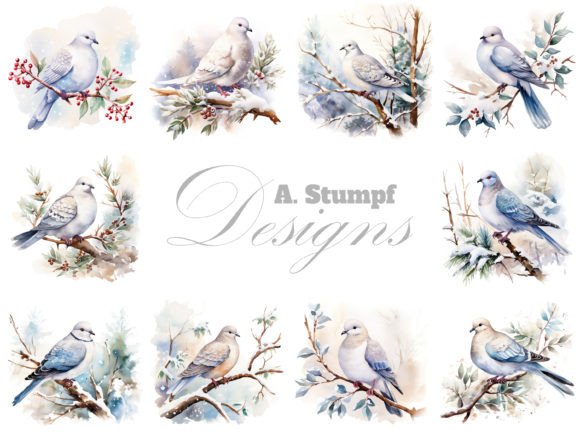
The immediate strength of these Winter Dove Watercolor Images lies in their gentle, nostalgic mood. Unlike harsh vector graphics that demand rigid satin stitch borders, these illustrations possess an organic flow that invites creative digitizing. The visual personality is quiet and serene, making them naturally suited for projects that require emotional resonance rather than bold branding. As I analyzed the layout and detail level, I found myself thinking less about complex fill stitches and more about how to preserve that watercolor transparency using thread.
For a handmade product, this aesthetic is gold. Customers currently gravitate toward cottagecore and vintage-inspired designs, and these doves fit that niche perfectly. However, as an experienced reviewer, I must note that "watercolor" in embroidery is a suggestion, not a guarantee. The success of this design asset depends entirely on your willingness to experiment with stitch density and thread blending. If you are looking for a plug-and-play file that requires zero adjustment, proceed with caution. But if you are a creative entrepreneur willing to customize, these images offer a sophisticated foundation for high-value goods.
Real-World Application: The Holiday Tote Bag Test
To truly judge utility, I mentally placed these Winter Dove Watercolor Images onto a specific canvas: a natural cotton tote bag intended for holiday gifting. This scenario tests contrast, durability, and commercial appeal simultaneously. Cotton canvas has a distinct fabric texture that can either enhance or destroy delicate details. In this case, the rustic weave complements the dove illustration, adding warmth that smooth polyester would lack.
However, stitching this design on a tote bag requires strategic planning. Because watercolor styles often rely on shading, I would avoid heavy fill stitches that make the bag stiff and unappealing to touch. Instead, I envision utilizing running stitch outlines combined with light tatami fills to mimic brushstrokes. For an Etsy seller, this distinction matters. A stiff, bulletproof embroidered patch might survive industrial washing, but it feels cheap on a boutique tote. By respecting the source material’s softness, you create a personalized gift that feels artisanal rather than mass-produced.
This application also highlights color management. Natural canvas acts as a neutral base, allowing the thread colors to pop without competing. If I were producing this for a small shop product line, I would limit the palette to three or four muted tones—sage, slate, cream, and dusty rose—to maintain that watercolor illusion. Over-threading destroys the magic of these specific illustrations.
Navigating Fabric Challenges and Hoop Limitations
While versatile, Winter Dove Watercolor Images are not universally forgiving. There are specific environments where this design demands extra attention or should be avoided entirely.
- Stretchy Fabrics: Applying this design to lightweight knits or performance wear is risky. The organic shapes may distort if the stabilizer isn't adequate. Always use a cut-away stabilizer for sweatshirt embroidery or baby clothes to prevent puckering around delicate wing details.
- Dark Backgrounds: Watercolor relies on light passing through pigment. On black or navy fabric, you lose that translucency unless you lay down a white underlay base. This increases stitch count significantly, potentially making the design too dense for comfortable custom apparel.
- Small Hoop Sizes: Reducing these illustrations below 3 inches often results in lost definition. Fine feather details and subtle shading gradients disappear when scaled down for caps or cuffs. Verify the minimum recommended size before committing to small-format projects.
- High-Pile Textiles: Avoid terry cloth or high-loft fleece unless you use a water-soluble topping. The intricate lines characteristic of these illustrations will sink into the pile, rendering the design invisible and wasting valuable machine time.
For curved surfaces like caps, I would advise against using the full composition. The distortion inherent in cap framing fights against the fluid nature of watercolor art. Instead, isolate the dove element for a centered chest logo or sleeve accent to maintain professional clarity.
Elevating Perceived Value and Brand Consistency
In the competitive landscape of digital product sellers and craft businesses, presentation dictates price. Using Winter Dove Watercolor Images correctly signals professionalism. When a customer sees clean registration, appropriate density, and thoughtful color matching, trust increases. They aren't just buying a bird picture; they are buying evidence of your expertise.
These illustrations also serve excellent double duty for marketing. Before stitching a single needle, use the digital files to create printable mockups for your listings. This allows you to test market interest for holiday embroidery collections without investing hours of machine time. If the digital preview generates engagement, then justify the production run. Furthermore, maintaining a consistent visual theme across your shop—using these doves on tea towels, pillow covers, and nursery decor—builds brand recognition. Cohesion sells better than chaos.
From a commercial embroidery standpoint, this style bridges the gap between seasonal and evergreen. While clearly wintery, the dove motif avoids overt Christmas iconography, extending the selling window from late November through February. This longevity is crucial for small business owners managing inventory turnover.
Essential Designer Notes for Production Success
Before loading this embroidery file into your machine, treat it as a raw ingredient rather than a finished meal. My testing protocol for assets like Winter Dove Watercolor Images always includes the following non-negotiable steps:
- Stitch-Out Verification: Never run this design directly on a client’s garment or final product first. Test on scrap fabric that matches your project’s weight and texture. Check specifically for registration errors between color changes.
- Density Audit: Open the file in your editing software. If the stitch density exceeds 0.4mm spacing in large areas, consider reducing it. Heavy coverage kills the watercolor effect and risks needle breaks on lighter fabrics.
- Thread Contrast Check: View your selected thread colors in natural lighting, not just under machine LEDs. Watercolor nuances vanish if adjacent shades are too similar. Ensure sufficient contrast so the design reads clearly from a distance.
- Licensing Confirmation: Before listing any finished product or selling the digital embroidery file itself, verify the specific license terms included with this pack. Assumptions about commercial rights can lead to shop suspensions or legal issues.
- Mockup Reality Check: Compare your digital mockup against your physical test stitch. If the physical result looks significantly different, adjust your listing photos to reflect reality. Honest representation reduces returns and builds long-term buyer engagement.
Ultimately, Winter Dove Watercolor Images represent a beautiful opportunity for makers who value artistry over automation. They require a thoughtful hand and a respect for the medium, but the reward is a finished product that carries genuine emotional weight. Whether you are crafting a bespoke baby blanket or stocking your Etsy shop for the winter rush, let the fabric guide your interpretation. When executed with care, these illustrations transform simple textiles into cherished keepsakes that stand apart in a crowded marketplace.