Watercolor Sushi Sublimation: An Embroidery Review
As a professional designer who bridges the gap between digital assets and tangible textiles, I approach every new graphic with a specific question: will this actually stitch out well? When evaluating Watercolor Sushi Sublimation for real-world application, my perspective shifts from simple aesthetic appreciation to technical feasibility. This design falls under the category of Illustrations, but for an embroidery digitizer or apparel decorator, it represents a unique challenge and opportunity. The watercolor style implies soft edges, color gradients, and organic blending—elements that are inherently difficult to replicate with thread. However, when adapted correctly, this sushi motif offers a fresh, modern alternative to traditional blocky food icons.
First Impressions and Visual Personality
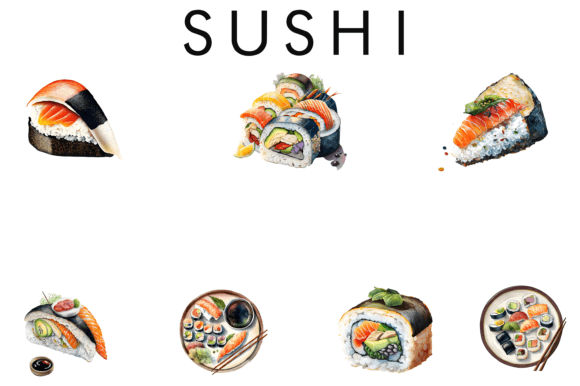
My initial assessment of Watercolor Sushi Sublimation focuses on its mood and layout. Unlike rigid vector art, this illustration carries a playful, hand-painted energy that feels authentic rather than manufactured. For a handmade product line, this personality is gold. Customers browsing Etsy or craft fairs are often drawn to items that feel artisanal, and the soft washes of color in this design communicate that vibe instantly. The shape of the sushi elements appears balanced, suggesting it could work beautifully as a centered chest placement on a sweatshirt or as a repeating pattern on a kitchen textile.
However, as an experienced reviewer, I immediately look for potential pitfalls in the detail level. Watercolor effects rely on transparency and bleeding edges. In a machine embroidery design, we cannot print transparency; we must simulate it through stitch density and thread color blending. The visual personality here is charming, but it demands a digitizing strategy that respects the original art while acknowledging the physical limitations of needle and thread. It feels like a design destined for casual wear, nursery decor, or culinary-themed gifts rather than formal corporate branding.
Real-World Application: The Custom Tote Bag Test
To truly judge the viability of Watercolor Sushi Sublimation, I mentally place it into a current project scenario. Imagine I am preparing a custom embroidered tote bag for a boutique client who wants a "foodie" aesthetic without looking cartoonish. This is where the design shines. A standard satin stitch sushi icon might look too stiff on natural canvas, but the watercolor interpretation allows for a softer, more textured tote bag design.
In this scenario, I would likely treat the design as a hybrid. If using this strictly as a sublimation file, the results on poly-coated canvas would be vibrant and exact. But if adapting it for embroidery, I would use the illustration as a guide for a complex fill stitch or perhaps an applique design where printed fabric provides the watercolor base and stitching defines the outlines. For a personalized gift like a baby bib or toddler apron, the softness of the sushi theme makes it approachable and gender-neutral. I can envision this working exceptionally well on light-colored linen tea towels, where the organic lines of the illustration complement the natural weave of the fabric. The key is matching the medium to the message; this design whispers "handcrafted comfort," making it ideal for lifestyle products rather than high-performance athletic wear.
Navigating Fabric Choices and Technical Constraints
While the aesthetic is versatile, practical execution requires caution. Watercolor Sushi Sublimation presents specific challenges depending on where you intend to stitch it. I advise extreme care when considering dark fabrics. Watercolor relies on light passing through layers; on black or navy material, you lose that luminosity unless you add a heavy white underlay, which changes the hand and drape of the garment. For sweatshirt embroidery, the fleece texture can also eat up fine details. If the illustration has delicate splatter effects or thin brush strokes, they may disappear into the pile of a hoodie.
Stretchy fabrics present another hurdle. The fluid nature of watercolor art can look distorted if the registration is off due to poor stabilization. When planning custom apparel projects involving jersey knits or performance blends, you must verify that your stabilizer choice can support the stitch count required to mimic those color gradients. Additionally, be mindful of curved surfaces. Placing this design on a structured cap is risky; the distortion inherent in cap framing fights against the organic flow of watercolor art. This design performs best on flat, stable surfaces like quilting cotton, denim, or non-woven interfacing used for patches.
I also recommend avoiding tiny lettering integrated directly into the watercolor effect. If the design includes text, ensure it is separated from the painted areas so it can be digitized with clean satin or running stitches. Merging text into a watercolor background often results in illegible mush once stitched out.
Impact on Product Value and Customer Perception
Using Watercolor Sushi Sublimation effectively can significantly elevate the perceived value of your inventory. In the crowded market of Etsy seller listings and small shop product lines, differentiation is survival. Generic sushi clipart is everywhere; a thoughtfully executed watercolor interpretation signals artistic intent. When customers see a finished product that retains the nuance of the original illustration, it builds trust in your craftsmanship. They understand that this isn't just a downloaded file slapped onto a shirt; it is a curated embroidery project.
This attention to detail translates directly to buyer engagement. High-quality mockups and actual photos showing the texture of the stitches against the watercolor aesthetic help bridge the gap between digital preview and physical reality. For commercial embroidery businesses, offering this style demonstrates versatility. It tells clients you can handle complex, artistic requests, not just standard logos. Whether you are selling digital assets or finished goods, maintaining the integrity of the watercolor style ensures brand consistency and professionalism.
Essential Designer Notes for Successful Execution
Before you hoop up or list this item, run through this practical checklist derived from years of production experience:
- Test Stitch First: Never assume a digital file translates perfectly. Always test Watercolor Sushi Sublimation on scrap fabric identical to your final product to check for puckering or coverage gaps.
- Analyze Stitch Density: If converting this illustration to embroidery, review the density settings. Too dense, and the fabric buckles; too sparse, and the watercolor effect looks like scribbles. Aim for a balanced fill that mimics paint washes.
- Check Thread Color Contrast: Watercolor palettes are often subtle. Ensure your thread colors have enough contrast against the fabric so the design doesn't vanish. Test in both natural and artificial lighting.
- Verify Hoop Size Compatibility: Confirm the dimensions fit your machine’s capabilities without excessive re-hooping. Multi-hoop alignments are notoriously difficult with organic watercolor edges.
- Review Licensing Terms: Before selling any finished product or modified digital embroidery file, confirm the specific license for this asset. Ensure you are cleared for commercial use if applicable.
- Create Accurate Mockups: Use a printable mockup that reflects the texture of embroidery, not just flat printing. This manages customer expectations regarding how watercolor translates to thread.
- Consider Washing Durability: If this is for baby items or kitchen linens, test washability. Complex shading stitches can sometimes snag or fray faster than simple fills.
Ultimately, Watercolor Sushi Sublimation is a delightful asset for the creative entrepreneur willing to respect its technical nuances. It bridges the gap between digital art and textile craft, offering a unique aesthetic for everything from holiday embroidery gifts to everyday boutique staples. By approaching this design with a critical, maker-focused eye, you ensure that the final result honors both the original artwork and the integrity of your embroidery business. Take the time to test, adjust, and refine, and this illustration will serve as a standout piece in your creative repertoire.