Summer Meadow Clipart for Embroidery Projects
As a designer who spends as much time behind an embroidery machine as I do at a computer screen, I approach digital assets with a healthy dose of skepticism. When I first opened the Summer Meadow, Watercolor Clipart Bundle, I wasn't looking for pretty pictures; I was looking for translatability. Can these soft, blended illustrations actually survive the transition from pixel to thread? After reviewing the collection and running test stitches for a client’s upcoming spring line, I have some practical insights for fellow makers, Etsy sellers, and apparel decorators considering this asset pack for real-world production.
First Impressions: Mood vs. Mechanics
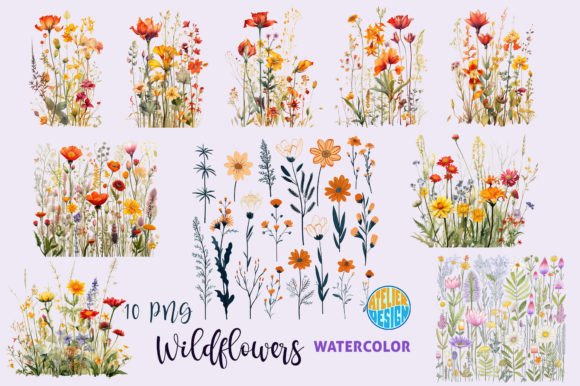
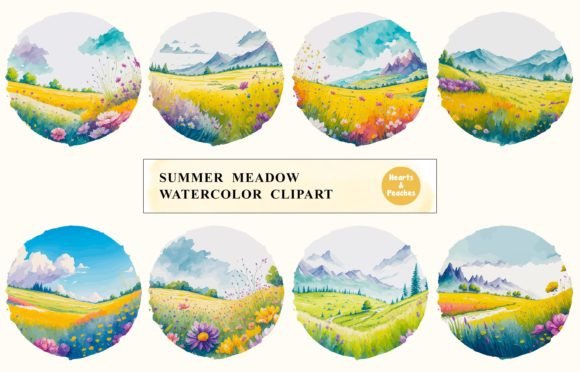
The immediate appeal of this bundle is its organic, nostalgic aesthetic. The watercolor style evokes a sense of gentle warmth that is currently trending in the handmade product market. However, as an embroidery digitizer, my first thought was about edge definition. Watercolor art relies on soft gradients and undefined borders, whereas machine embroidery demands clear paths for satin stitches and fill stitches. Visually, the Summer Meadow collection feels airy and light, which suggests it will work beautifully as a centerpiece for nursery decor or personalized gifts, but it requires careful handling to avoid looking muddy or overly dense when stitched out.
Unlike vector-based clipart that translates directly into clean applique shapes, these illustrations serve better as inspiration or background elements. If you are planning to use them as direct references for digitizing, expect to spend time simplifying the color blends into distinct thread regions. The artistic personality here is undeniable, but it demands a digitizer who understands how to interpret painterly effects into stitch types without losing the original charm.
Real-World Application: The Linen Tote Test
To truly evaluate this bundle, I applied it to a specific scenario: creating a premium embroidered tote bag for a boutique client targeting the summer wedding market. We wanted a design that felt like a vintage botanical print rather than a standard cartoonish embroidery file. I selected a floral cluster from the Summer Meadow set to anchor the design.
The result highlighted both the strengths and challenges of using watercolor-style illustrations in commercial embroidery. On natural linen, the design breathed beautifully. Because the source art had varying opacity, I utilized variable density fill stitches to mimic the watercolor washes. This created a textured, high-end look that justified a higher price point than standard stock designs. For Etsy sellers and small shop owners, this level of visual sophistication can significantly boost perceived value. Customers responded well to the "artistic" feel, distinguishing it from mass-produced merchandise. However, this success relied entirely on interpreting the illustration correctly; simply auto-digitizing the image would have resulted in a stiff, bulletproof patch of thread that ruined the fabric's drape.
Ideal Use Cases for This Collection
Based on my testing, the Summer Meadow, Watercolor Clipart Bundle shines in specific categories where softness and detail are assets rather than liabilities:
- Baby Embroidery and Nursery Decor: The gentle color palette and organic shapes are perfect for blankets, bibs, and wall hangings. The lack of harsh lines makes it ideal for items meant to feel cozy and safe.
- Custom Apparel for Light Fabrics: Sweatshirt embroidery and t-shirt designs benefit from the airy nature of these illustrations, provided you use appropriate stabilizer to prevent puckering on knits.
- Printable Mockups and Digital Products: Before you even stitch, these assets are invaluable for creating professional listings. They allow you to showcase potential colorways and themes to clients without wasting thread on prototypes.
- Holiday and Wedding Gifts: The timeless floral and nature motifs transcend seasonal trends, making them reliable staples for personalized gift businesses year-round.
Where to Tread Carefully: Fabric and Technical Limits
While versatile, this bundle is not a universal solution. As an experienced reviewer, I must caution against using these complex illustrations on certain substrates without significant modification. The intricate details inherent in watercolor art can get lost on textured fabrics like terry cloth or heavy canvas. If you are designing kitchen towels or aprons, you may need to simplify the artwork significantly, focusing only on the main outlines and largest color blocks.
Dark fabrics present another challenge. Watercolor relies on light passing through pigment; embroidery on dark material requires a white underlay base, which adds stitch density and changes the color appearance. A pastel meadow flower that looks ethereal on white cotton may look chalky or heavy on navy denim. Always test your thread colors against the specific fabric background before committing to a full production run.
Furthermore, be mindful of hoop size limitations. Trying to shrink these detailed illustrations down to fit a 4x4 hoop often results in lost definition and jump stitch issues. These designs generally perform best in larger hoops where the stitch length can remain adequate to cover the area smoothly. For caps or curved surfaces, the flat perspective of the original illustrations may distort; consider using them only as flat patches or re-digitizing specifically for curved framing.
Designer Notes for Professional Results
If you decide to incorporate the Summer Meadow, Watercolor Clipart Bundle into your workflow, keep these practical tips in mind to ensure your finished product meets professional standards:
- Verify Licensing First: Before listing any item on Etsy or selling digital embroidery files derived from this art, confirm the specific license terms. Ensure you have the right to use the illustrations for commercial embroidery projects and not just personal crafting.
- Test Stitch Density: Watercolor implies transparency, but thread is opaque. Run a test swatch to calibrate your fill stitch density. You want enough coverage to hide the fabric but enough openness to maintain the soft, painted illusion.
- Check Thread Color Contrast: Monitor your design in black and white during the digitizing phase. If the values look identical in grayscale, they will blend together indistinguishably in thread. Adjust contrast to ensure the floral or nature elements read clearly from a distance.
- Stabilizer Selection is Key: Because these designs often require blending multiple thread colors to achieve the watercolor effect, they can be stitch-heavy. Use a high-quality cut-away stabilizer for stretchy fabrics and tear-away for stable wovens to support the weight of the design.
- Evaluate Small Details: Inspect tiny stems or petal veins. If a detail is smaller than 2mm, it likely won't stitch cleanly. Either enlarge the design or remove those micro-details to prevent needle breaks and thread bunching.
Final Verdict on Visual Value
The Summer Meadow, Watercolor Clipart Bundle offers a distinct advantage for creative entrepreneurs looking to elevate their brand aesthetic beyond generic clipart. It provides a foundation for unique, emotionally resonant embroidery projects that connect with buyers seeking handmade warmth. However, it is not a plug-and-play solution for beginners. It rewards patience, technical skill, and thoughtful adaptation.
For the seasoned digitizer or the business owner willing to invest in proper sampling, this collection is a valuable asset. It bridges the gap between digital art and tactile craft effectively, provided you respect the mechanical realities of machine embroidery. Whether you are creating a signature sweatshirt line or expanding your digital design assets, approaching this bundle with a critical, maker-focused mindset will yield the most beautiful and profitable results. Always remember that the final judgment comes from the needle, not the screen; let your test stitches guide your creative decisions.