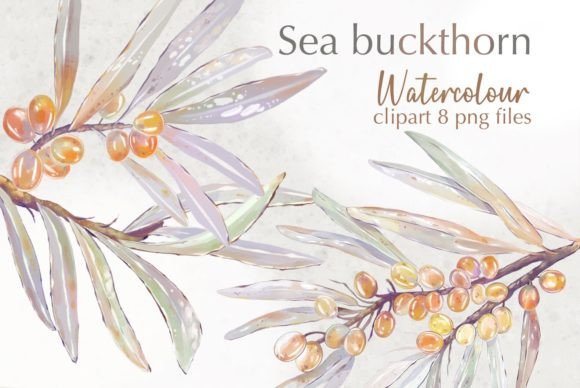
Olive Branches Watercolor Clipart for Embroidery
As a designer who spends more time behind an embroidery machine than a computer screen, I approach digital assets with a healthy dose of skepticism. When I first opened the Olive Branches Watercolor Clipart file, I wasn't looking for pretty pixels; I was looking for stitchability. For those of us running a craft business or managing an Etsy shop, the gap between a beautiful illustration and a viable machine embroidery design is often where profit margins disappear. After reviewing this asset and testing its translation potential, I have some practical insights for makers considering this design for their next collection.
First Impressions: Organic Flow vs. Stitch Reality
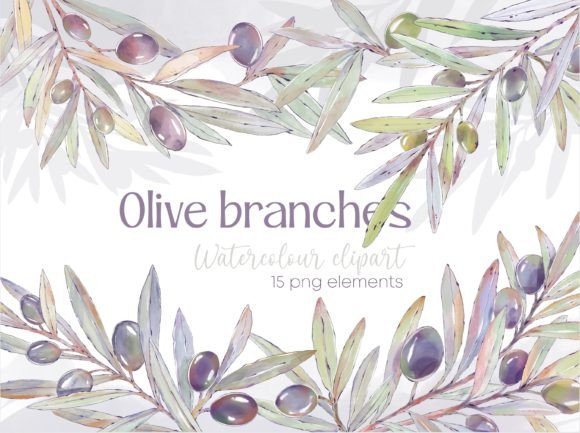
The immediate appeal of these olive branch illustrations lies in their softness. Unlike rigid vector art, the watercolor style offers a gradient and texture that feels inherently handmade. Visually, it evokes peace, rustic elegance, and natural simplicity. However, as an embroidery designer, my first thought was about density mapping. Watercolor edges are soft and blurred, while embroidery requires defined boundaries. This specific clipart succeeds because the core branch structure remains distinct even if the outer wash is ethereal. It doesn't rely solely on color blending to define the shape, which is crucial when converting to a digital embroidery file.
The layout is versatile. The branches curve naturally, making them ideal for framing monograms or wrapping around curved surfaces like caps or sleeves. They don't feel stiff or mirrored, which is a common issue with lower-quality botanical assets. For a personalized gift or boutique branding, this organic asymmetry adds significant perceived value because it mimics hand-painted artistry rather than mass-produced clip art.
Real-World Application: The Linen Tea Towel Test
To truly evaluate this asset, I mentally prototyped a project that represents a staple for many small shop owners: a premium linen tea towel intended for wedding gifts or holiday sales. Linen has a distinct fabric texture that can either enhance or ruin delicate designs. I envisioned placing the Olive Branches Watercolor Clipart in the bottom right corner, paired with a simple serif font for a family name.
In this scenario, the design performs exceptionally well because the botanical theme complements the natural fiber. If I were digitizing this, I would interpret the darker stems using a satin stitch to provide definition, while utilizing lighter fill stitches or running stitches for the leafy areas to mimic the watercolor transparency. The result on the finished product feels high-end and intentional. Customers browsing Etsy listings respond to this aesthetic because it photographs beautifully in printable mockups and translates to a tangible, heirloom-quality feel in person. It avoids the "sticker sheet" look that plagues many commercial embroidery projects.
Where to Exercise Caution in Production
While the aesthetic is strong, practical application requires restraint. Not every fabric or product category suits this level of detail. Through experience, I have identified specific scenarios where this design demands careful handling.
- Stretchy Knits and Sweatshirt Embroidery: The fine details of olive leaves can get lost or distort on fleece or jersey knits. If using this for custom apparel like sweatshirts, you must increase stitch density slightly and use a heavy-duty cutaway stabilizer. Without proper support, the watercolor effect will simply look like puckered fabric.
- Small Hoop Sizes: Reducing this design below 3 inches risks losing the separation between leaves. The watercolor nuance relies on space. If you need a tiny logo for a baby embroidery project or cap, consider using just a single sprig rather than scaling down the full branch arrangement.
- Dark Fabrics: Watercolor aesthetics rely on light passing through pigment. On black or navy fabric, this design loses its soul unless you stitch a white underlay base first. Even then, test your thread colors extensively, as the vibrancy will differ significantly from the screen preview.
- Frequent Washing Items: For baby clothes or kitchen towels, ensure your digitizing includes adequate lock stitches at the ends of running stitch elements. Decorative accents that unravel after three wash cycles destroy customer trust and brand reputation.
Impact on Brand Value and Customer Perception
Using high-quality illustrations like Olive Branches Watercolor Clipart signals professionalism. In the saturated market of handmade products, buyers are becoming adept at distinguishing between generic assets and curated design choices. When this design is executed correctly, it elevates the perceived worth of the item. A plain tote bag becomes a "botanical garden carryall"; a standard pillow cover transforms into "rustic nursery decor."
Furthermore, consistency builds recognition. If you adopt this visual language across your shop—from your embroidered patches to your packaging stickers and digital product previews—you create a cohesive brand identity. Buyers begin to associate that specific olive branch aesthetic with your shop’s quality. This is particularly effective for holiday embroidery collections where customers return annually for matching sets. The design acts as a visual anchor that ties disparate products together.
Essential Designer Notes Before You Stitch
Before you load this file into your software or send it to production, run through this practical checklist. These steps save time, thread, and frustration.
- Verify Licensing Terms: Confirm whether the license covers commercial embroidery specifically. Some illustration licenses allow for digital printables but restrict physical merchandise or limit the number of units. Protect your business by knowing exactly what you can sell.
- Test on Scrap Fabric First: Never stitch a new design directly onto a client’s garment. Use a scrap of the exact material and stabilizer combination you plan to use. Check how the thread colors interact with the fabric texture.
- Evaluate Stitch Density: Watercolor implies lightness. If your digitized version is too dense, the fabric will become bulletproof and stiff. Aim for a balance where the fabric still drapes naturally. Adjust fill stitch patterns to allow some background show-through if appropriate.
- Check Thread Color Contrast: View your thread palette in natural lighting. Screen colors are deceptive. Ensure there is enough contrast between the branch, the leaves, and the background fabric so the design reads clearly from a distance.
- Mockup Realistically: When creating listings, use printable mockups that reflect actual embroidery texture, not flat digital overlays. Customers appreciate honesty in presentation. Show the design on both light and dark backgrounds if you offer variations.
- Inspect Small Details: Zoom in to 400% in your embroidery software. Are there jump stitches that need trimming? Is the text legible if included? Clean up any stray nodes before stitching.
The Olive Branches Watercolor Clipart is a robust foundation for creative entrepreneurs, provided it is treated with technical respect. It bridges the gap between digital art and tactile craft effectively, but success depends entirely on your execution. Whether you are creating a personalized gift for a friend or stocking your shop for the upcoming season, let the organic nature of the design guide your technical decisions. When the artistry of the illustration meets the precision of good digitizing, the result is a finished product that truly resonates with buyers and stands the test of time.