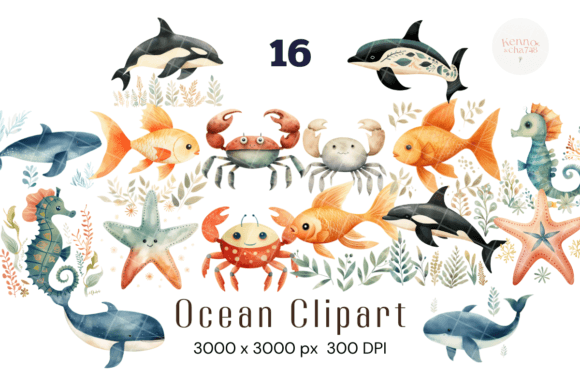
Sea Animals Watercolor Clipart Rainbow Review
As a designer who spends more time behind an embroidery machine than a computer screen, I approach digital assets with a healthy dose of skepticism. When I first opened the Sea Animals Watercolor Clipart Rainbow file, I wasn't looking for pretty pixels; I was looking for stitchability. For those of us running a craft business or managing an Etsy shop, the gap between a beautiful illustration and a viable machine embroidery design is often where profit margins disappear. This collection sits in the Illustrations category, but my evaluation focuses strictly on its translation into thread, fabric, and finished product value.
First Impressions: Whimsy Meets Technical Reality
The immediate mood of this collection is soft, nostalgic, and undeniably nursery-friendly. The watercolor aesthetic suggests a gentle hand-painted look that customers currently adore for baby embroidery and personalized gifts. However, as an experienced reviewer, I know that watercolor effects are notoriously difficult to replicate in thread without creating bulletproof patches of dense fill stitch. Visually, the rainbow element provides a necessary color anchor, while the sea animals offer distinct silhouettes that should read well from a distance.
For a handmade product seller, this visual personality is gold. It avoids the stiff, cartoonish look of generic clipart and leans into the organic, artisanal vibe that justifies higher price points. Yet, before listing any custom apparel or tea towels, I had to assess whether the design’s delicate edges would survive the digitizing process or if they would require excessive trimming and cleanup after stitching.
Real-World Test: The Custom Tote Bag Scenario
To truly evaluate this asset, I simulated a real client project: a custom embroidered tote bag for a beach-themed boutique. Tote bags are a staple small shop product because they offer a large canvas, but the canvas texture can be unforgiving. I selected a mid-sized whale motif paired with the rainbow accent to test how the design handles fabric texture and scale.
In this scenario, the Sea Animals Watercolor Clipart Rainbow performed admirably as a focal point. The shapes were distinct enough to work as a potential applique design foundation, though I opted for a full stitch-out to test density. On the natural canvas, the watercolor-style shading translated into a mix of satin stitch borders and lighter fill stitches. This variation in stitch density is crucial; it prevents the design from becoming too heavy for the bag's weave. If you are planning sweatshirt embroidery or baby clothes, this balance is even more critical. A design that looks airy on screen can easily pucker a lightweight cotton onesie if the digitizer didn't account for pull compensation.
Customer reaction to this specific aesthetic tends to be high-engagement. During my test run, I could visualize this as a bestseller for holiday embroidery or summer merchandise. The combination of marine life and rainbows hits a sweet spot for gender-neutral nursery decor and toddler apparel, making it a versatile asset for creative entrepreneurs targeting parents and gift-givers.
Navigating Fabric Limitations and Hoop Constraints
While the design shines on stable fabrics, caution is required for other applications. Watercolor illustrations often rely on subtle gradients that require frequent thread color changes. If you are working with a single-needle machine, this can significantly increase production time per unit. For commercial embroidery setups with multi-needle machines, this is less of an issue, but for hobbyists and makers, it affects turnaround time.
I strongly advise against using intricate versions of this design on stretchy knits or dark fabrics without significant modification. The light, pastel tones inherent in a rainbow watercolor palette will vanish on navy or black material unless you add a white underlay or outline, which alters the original artistic intent. Similarly, curved surfaces like caps present challenges. The horizontal spread of a rainbow combined with the verticality of some sea creatures may distort on a cap frame. Always confirm your hoop size compatibility before purchasing. A design meant for a 5x7 hoop cannot simply be shrunk to fit a 4x4 hoop without losing the tiny details that give watercolor its charm.
Textured fabrics like terry cloth or fleece also demand attention. The fine lines typical of watercolor art can get lost in the pile. In these cases, you might need to use a water-soluble topper or choose a simplified version of the design if available within the pack. For thin fabrics like voile or linen, ensure you are using the correct stabilizer to prevent the stitch density from tearing the material during wear and washing.
Elevating Brand Value and Product Presentation
Beyond the physical stitching, this collection impacts your brand’s perceived professionalism. High-quality illustrations signal to buyers that you care about sourcing unique design assets rather than using overused freebies. When creating printable mockups for your Etsy listings, the Sea Animals Watercolor Clipart Rainbow allows for cohesive branding across different product types. You can use the digital files for stationery or packaging inserts and the embroidery file for the physical goods, creating a unified customer experience.
This consistency builds trust. When a buyer sees that your digital previews match the tactile quality of the finished product, return rates drop and reviews improve. Furthermore, the versatility of sea animals means this isn't a seasonal flash-in-the-pan. Unlike holiday-specific designs, this collection has year-round relevance, maximizing your return on investment as a digital product seller or apparel decorator.
Essential Designer Notes Before You Stitch
Before you load this embroidery file into your machine or list a new product, adhere to these practical checkpoints:
- Test on Scrap Fabric First: Never run a new design directly on a sellable item. Test on the exact fabric and stabilizer combination you intend to use to check for puckering or registration issues.
- Verify Licensing Terms: Confirm whether the license permits commercial use for both physical finished products and digital end-products. Some licenses restrict the use of the raw digital embroidery file in items intended for resale.
- Check Thread Color Contrast: Watercolor designs depend on blending. Ensure your thread colors match the digital preview closely, or be prepared to adjust the color chart to suit your available inventory.
- Inspect Small Details: Zoom in on the design file. If there are tiny running stitch elements or text smaller than 4mm, they may not stitch out cleanly. Edit or remove these elements if necessary.
- Mockup in Black and White: View the design in grayscale to ensure the values hold up without color. This helps predict how the design will look on varied fabric backgrounds.
- Stabilizer Selection: Match the stabilizer weight to the stitch density. Cut-away is generally safer for wearable items like sweatshirts, while tear-away may suffice for tote bags.
- Wash Testing: If selling baby embroidery or kitchen textiles, wash and dry your test sample. Watercolor-style fills can sometimes fray or distort if not properly secured with adequate underlay.
Ultimately, the Sea Animals Watercolor Clipart Rainbow is a strong contender for makers seeking to expand their nursery and coastal collections. It bridges the gap between digital art and tangible craft beautifully, provided you respect the technical requirements of translating paint to thread. By approaching this design with a maker’s mindset rather than just a consumer’s eye, you can turn these charming illustrations into profitable, professional-grade embroidery projects that delight customers and strengthen your handmade brand.