Cute Watercolor Narwhal: An Embroidery Design Review
As a professional embroidery designer and product reviewer, I approach every new machine embroidery design with a critical eye. It is not enough for a graphic to look beautiful on a screen; it must translate effectively into thread, stabilizer, and fabric. When evaluating the Cute Watercolor Narwhal, my primary focus is on how this illustration performs in real-world production environments. This review breaks down the practical realities of stitching this design, assessing its suitability for everything from nursery decor to commercial apparel, based on hands-on experience rather than marketing hype.
First Impressions and Visual Personality
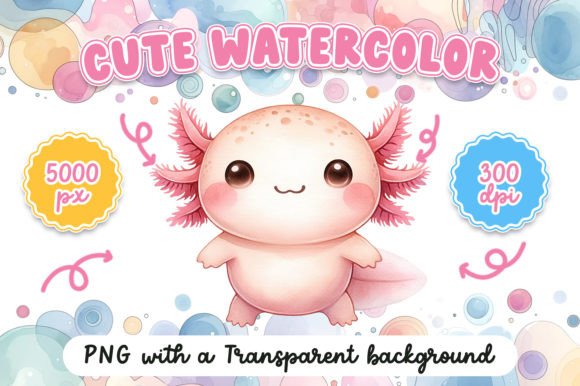
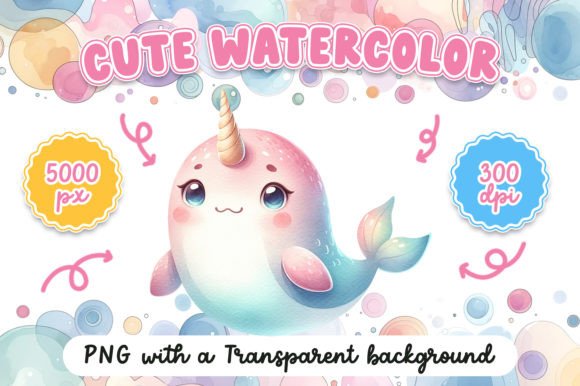
The initial appeal of the Cute Watercolor Narwhal lies in its soft, whimsical aesthetic. As an illustration, it captures a gentle mood that immediately suggests specific applications: baby items, children’s apparel, and ocean-themed gifts. The watercolor style implies a need for nuanced shading, which in embroidery terms usually translates to complex color blending or strategic use of fill stitch gradients. Visually, the shape is organic and rounded, avoiding sharp corners that can sometimes cause registration issues during high-speed stitching.
However, "cute" does not always equal "stitchable." My first assessment involves checking the balance between detail and clarity. Watercolor effects can sometimes become muddy when converted to stitches if the stitch density is too high or the color transitions are too abrupt. In reviewing this design asset, I am looking for clean separation between the narwhal’s body and any background elements, ensuring that the personality of the character remains intact once rendered in thread.
Real-World Application: Stitching a Nursery Tote Bag
To truly evaluate this embroidery file, I mentally simulate a specific project: a personalized canvas tote bag intended as a gift for a new parent. This scenario tests multiple variables, including fabric texture, hooping stability, and visual impact.
Canvas is a textured fabric that can swallow fine details. If the Cute Watercolor Narwhal relies heavily on delicate running stitch outlines or tiny facial features, they risk getting lost in the weave of the canvas. For this project, I would verify that the design has sufficient underlay to create a smooth foundation. A well-digitized watercolor effect should sit on top of the fabric texture, not sink into it. Furthermore, because tote bags are functional items, the stitching must be durable. I would check whether the design uses excessive jump stitches that could snag on keys or toys, as this affects both the longevity of the finished product and the perceived quality of my work.
In this context, the narwhal serves as a focal point. Its placement matters; centering it allows for personalization (like a name) below or above without crowding the hoop. This versatility makes it a strong candidate for Etsy seller listings where customization is key.
Versatility Across Products and Markets
Beyond tote bags, this design shows promise for several categories relevant to small shop product lines and craft business owners:
- Baby Embroidery: The soft aesthetic is perfect for onesies and bibs. However, for baby embroidery, safety and comfort are paramount. I would ensure the back of the design is smooth, potentially using a fusible backing or tear-away stabilizer to prevent scratchy threads against sensitive skin.
- Sweatshirt Embroidery: Fleece and French terry fabrics are popular for boutique apparel. These materials are thick and stretchy. The Cute Watercolor Narwhal must have adequate stabilization recommendations to prevent puckering. A design that looks flat and distorted on a sweatshirt will result in returns or negative reviews.
- Holiday Embroidery: While narwhals are often associated with summer or nautical themes, their whimsical nature fits winter "under the sea" party themes or unique Christmas ornaments. This extends the shelf life of the digital embroidery file beyond a single season.
- Patches and Applique: If the design includes defined borders, it could function as an applique design or an embroidered patch. Patches require dense satin stitch borders to seal edges; verifying this structural integrity is essential before mass production.
Critical Considerations and Limitations
No design is universal. There are specific scenarios where I would advise caution when using the Cute Watercolor Narwhal:
Fabric Compatibility Challenges
Watercolor styles often rely on subtle color variations. On dark fabrics, these nuances can disappear unless there is a white underlay base, which adds significant stitch count and stiffness. On sheer or lightweight fabrics like voile or organza, the density required for opaque watercolor coverage might cause tearing. Always test on scrap fabric first.
Size and Detail Constraints
Resizing is a common necessity for custom apparel, but it carries risks. Shrinking a watercolor design too much compresses the stitches, leading to thread breaks and a bulletproof, stiff texture. Enlarging it excessively can make individual stitches look sparse and pixelated. Before purchasing, confirm the native hoop size and the safe resizing range. If you need a 4x4 version for a baby cap and the design was digitized for a 6x10 frame, the small details may not survive the reduction.
Curved Surfaces
Embroidering on caps or curved sleeves introduces distortion. Organic shapes like narwhals can warp if the push-and-pull compensation isn't adjusted for cylindrical hooping. If your primary market involves headwear, test the design specifically on a cap frame before listing it as a commercial embroidery option.
Impact on Business Value and Customer Trust
For Etsy sellers and handmade shop owners, the quality of your design assets directly correlates to customer trust. A poorly stitched watercolor effect looks messy and unprofessional. Conversely, a crisp, vibrant Cute Watercolor Narwhal elevates the perceived value of the entire item.
When creating printable mockups or digital previews, ensure they accurately represent the stitched texture. Customers feel deceived if the listing photo shows a smooth digital painting but the received item has visible stitch lines and gaps. Transparency about the medium builds brand consistency. Additionally, always verify licensing. Just because a file is sold as a digital embroidery file does not automatically grant rights to sell finished products or distribute the file itself. Clear licensing protects your business from legal issues and supports the original digitizer.
Practical Designer Notes for Success
To get the best results from this embroidery project, follow these professional guidelines:
- Test Stitch is Mandatory: Never run a new design directly on a client’s garment. Use similar fabric weight and texture for your test run.
- Stabilizer Selection: Match the stabilizer to the fabric, not just the design. Cut-away for stretchy knits, tear-away for stable wovens, and wash-away for sheers.
- Thread Color Verification: Screen colors differ from thread colors. Create a physical color chart mapping the design’s palette to your specific thread brand to maintain the intended watercolor mood.
- Check Small Details: Inspect the eyes, fins, and any text elements. If they are smaller than 2mm, they may require manual adjustment or simplification for reliable stitching.
- Mockup Testing: View the design in black and white to assess contrast and depth independent of color. This reveals structural weaknesses in the digitizing.
- Commercial Viability Check: Confirm the license allows for the specific type of selling you intend (e.g., physical items vs. digital files). Document this permission for your records.
The Cute Watercolor Narwhal offers significant potential for makers and businesses, provided it is approached with technical mindfulness. By understanding its behavior across different fabrics and applications, you can transform a charming illustration into a profitable, high-quality handmade product that delights customers and stands the test of wear.