Cute Princess Deer Watercolour Clipart Review
As a professional embroidery digitizer and product reviewer, I approach every new graphic asset with a specific question: will this actually stitch out well, or is it just a pretty picture? When evaluating the Cute Princess Deer Watercolour Clipart, my assessment goes beyond surface aesthetics. For embroidery designers, Etsy sellers, and makers, the transition from digital illustration to tangible thread requires a critical eye. This review breaks down how this specific artwork performs when translated into a machine embroidery design, focusing on real-world application for custom apparel, nursery decor, and commercial craft products.
First Impressions and Embroidery Translation Potential
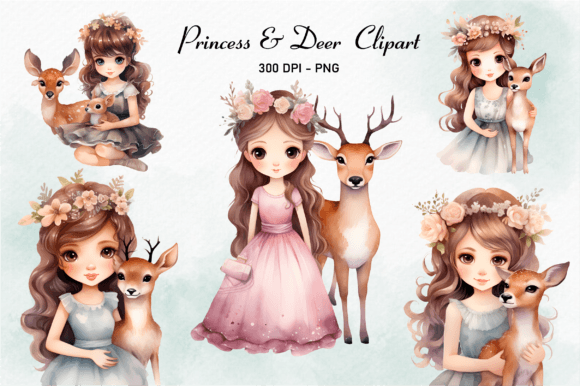
The initial visual impact of the Cute Princess Deer Watercolour Clipart is undeniably soft and whimsical. The watercolor style suggests gentle gradients and organic edges, which creates a distinct mood perfect for baby items and boutique merchandise. However, as an experienced digitizer, I immediately look at the color blending. Watercolor illustrations often rely on transparency and subtle shifts that do not translate directly to thread. Unlike vector art with solid blocks of color, this clipart requires careful interpretation during the digitizing process.
The shape and layout of the deer are generally favorable for stitching. The silhouette appears balanced, avoiding extremely thin extremities that might cause registration issues or fabric puckering. For a handmade product, the personality of this illustration feels high-value rather than generic. It possesses the kind of charm that stops a scroller on social media or catches a shopper's eye at a craft fair. Yet, the success of the final embroidered patch or garment depends entirely on respecting the limitations of translating painted textures into satin and fill stitches.
Real-World Application: Stitching a Nursery Sweatshirt
To truly test the viability of this asset, I mentally walked through a recent client project: a custom embroidered sweatshirt for a first birthday gift. The goal was to create a personalized keepsake that felt heirloom-quality. Using the Cute Princess Deer Watercolour Clipart as the base, I had to consider how the design interacts with fleece and French terry fabrics.
In this scenario, the design serves as a centerpiece. For sweatshirt embroidery, the loft of the fabric can swallow fine details. If I were to digitize this strictly following the watercolor edges, the result might look muddy. Instead, I would interpret the outer edges with a slightly bolder running stitch or a clean satin border to define the shape against the textured background. The internal shading would need to be simplified into distinct thread color zones rather than attempting to replicate every brushstroke. This adaptation ensures the custom apparel remains readable and durable after washing. Customers buying personalized gifts expect clarity; they want the deer to look intentional, not like a failed print.
Ideal Projects and Commercial Viability
This illustration shines brightest in specific niches. Based on its aesthetic profile, the Cute Princess Deer Watercolour Clipart is exceptionally well-suited for:
- Nursery Decor and Baby Items: Pillow covers, crib sheets, and bibs benefit from the soft palette. The design’s gentle nature aligns perfectly with parental expectations for baby embroidery.
- Tote Bag Designs: On natural canvas, the watercolor aesthetic mimics screen printing. A tote bag design using this art feels artisanal and eco-friendly, appealing to the modern maker market.
- Holiday and Seasonal Merchandise: With minor adjustments (adding a wreath or bow), this deer transitions easily into holiday embroidery for stockings or ornament blanks.
- Digital Product Previews: For sellers of digital embroidery files, this clipart provides excellent material for creating realistic printable mockups that accurately represent the intended stitch-out style.
For Etsy sellers and small shop owners, this asset supports brand consistency. It avoids the harshness of cartoonish vectors while remaining more structured than abstract art. This balance helps build customer trust, as the finished product looks professional and cohesive across different inventory items.
Technical Caution Zones and Fabric Considerations
Despite its versatility, there are environments where the Cute Princess Deer Watercolour Clipart demands caution. Not all substrates forgive the complexity inherent in watercolor-style digitizing.
Stretchy and Thin Fabrics
If you plan to use this on performance wear or lightweight knits, proceed carefully. The density required to mimic watercolor shading can cause significant puckering on stretchy fabric. You must use appropriate stabilizer, potentially including a cut-away backing and a water-soluble topping, to maintain design integrity. Without proper support, the deer’s delicate features may distort, ruining the finished product.
Small Hoop Sizes and Detail Loss
Resizing is a common necessity, but this illustration has a lower limit. If your hoop size restricts the design to under three inches, intricate facial details or antler tips may become indistinguishable blobs of thread. In such cases, I recommend simplifying the design elements specifically for smaller applications like caps or sleeve cuffs. Do not assume a 4x4 version will retain the same clarity as a 6x10 version.
Dark Fabrics and Contrast
Watercolor art typically assumes a white background. Transferring this to black or navy garments requires rethinking the entire color palette. You cannot simply change the thread colors; you may need to add an underlay base or adjust the stitch density to prevent the dark fabric from showing through the lighter threads. Always test contrast before committing to a production run.
Designer Notes for Successful Implementation
Before listing a new item or starting a batch order, adhere to these practical protocols to ensure the Cute Princess Deer Watercolour Clipart delivers professional results:
- Test Stitch on Scrap Fabric: Never skip this step. Use the exact fabric and stabilizer combination intended for the final project. Inspect the registration between color blocks and check for gaps in the outline.
- Verify Licensing Terms: Confirm whether your purchase includes commercial rights for both physical products and digital files. Understanding if you can sell the embroidery file itself versus only the finished handmade product is crucial for legal compliance.
- Check Thread Color Availability: Watercolor designs often require specific shades. Ensure you have matching thread colors available, or adjust the digitized file to match your existing inventory to avoid production delays.
- Review Stitch Density: Excessive density makes patches stiff and garments uncomfortable. Aim for a balance that captures the artistic feel without creating a bulletproof vest effect on a baby onesie.
- Create Black and White Mockups: Viewing the design in grayscale helps identify value contrast issues that color might hide. If the deer disappears in monochrome, it lacks sufficient definition for embroidery.
Final Verdict for Makers and Sellers
The Cute Princess Deer Watercolour Clipart is a valuable asset for creative entrepreneurs who understand the translation process between digital art and needlework. Its strength lies in its emotional resonance and suitability for high-margin personalized goods. However, it is not a "one-click" solution. Success requires thoughtful digitizing, appropriate fabric selection, and rigorous testing.
When executed correctly, this design elevates the perceived value of your work. It signals to buyers that your shop offers curated, artistic quality rather than mass-produced clipart. Whether you are creating a signature tote bag design or expanding your nursery collection, this illustration offers a strong foundation for beautiful, profitable embroidery projects. Just remember: treat the source art as a guide, not a rulebook, and let your machine embroidery expertise bring the princess deer to life with texture and durability.