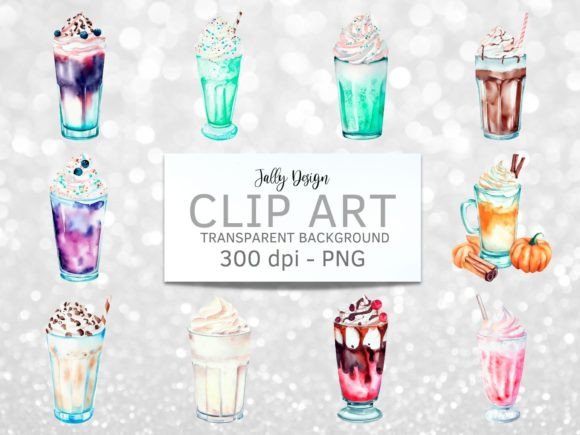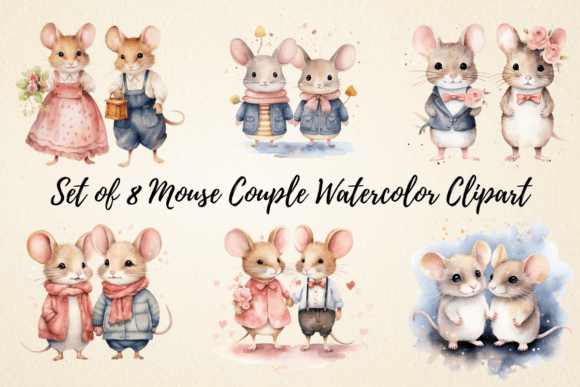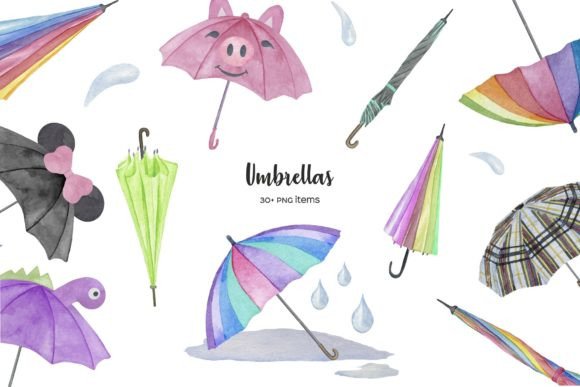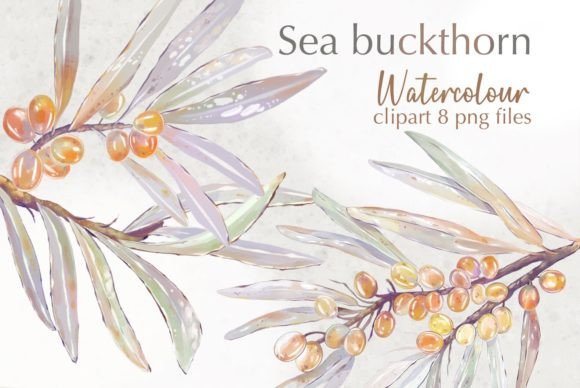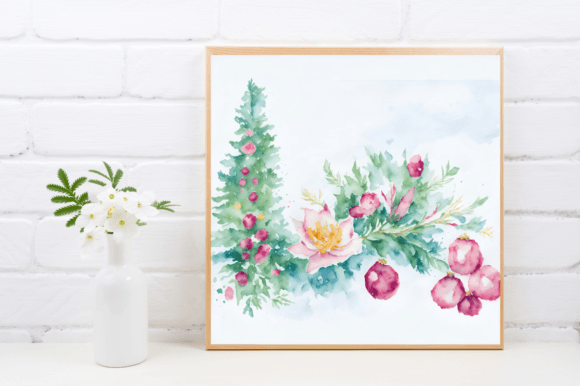
Watercolor Stock Illustrations for Embroidery
First Impressions: Translating Paint to Thread
As a designer who spends more time behind an embroidery machine than a computer screen, I approach digital assets with a healthy dose of skepticism. When evaluating Watercolor Stock Illustrations for potential use in real-world projects, my first question is never about the aesthetic on a monitor; it is always about how those soft edges and blended hues will survive the transition to thread. Watercolor art is inherently fluid and unpredictable, while machine embroidery is structured and precise. Bridging that gap requires a critical eye.
Upon reviewing this collection of illustrations, the immediate mood is one of organic softness and artistic whimsy. The visual personality feels hand-painted rather than digitally manufactured, which is exactly what today’s market craves. For an embroidery designer, this style suggests projects that rely on emotion and texture rather than rigid logos or bold typography. However, the true test lies in the digitizing potential. A beautiful watercolor wash can easily become a muddy, dense puckered mess if the underlying stitch architecture isn't considered. These illustrations appear to have enough distinct shape definition to support various stitch types, but they demand respect for the medium. They are not clip-art solutions; they are design foundations that require thoughtful interpretation into a viable machine embroidery design.
The Tote Bag Test: A Real-World Application
To truly judge the utility of these assets, I mentally placed them into a current client request: a custom embroidered tote bag for a boutique florist. The client wanted something that felt artisanal and high-end, avoiding the stiff, corporate look of standard promotional gear. This is where Watercolor Stock Illustrations shine brightest. On a natural canvas tote, the soft gradients of a watercolor floral or botanical illustration mimic the actual dyeing process, creating a handmade product feel that elevates perceived value.
In this scenario, I would likely treat the illustration as a guide for a mixed-media approach. Pure watercolor effects are difficult to replicate solely with thread without excessive density. Instead, I envision using these illustrations as a base for an applique design or combining them with lightweight running stitches to suggest brushwork. For the florist’s tote, the design needs to withstand heavy use and washing. The organic shapes in these illustrations allow for flexible placement, meaning I can adjust the layout to accommodate the bag's seams and handles without distorting the artwork. If the final finished product looks like a printed image rather than stitched art, we have failed. But if the watercolor aesthetic enhances the tactile nature of the canvas, the design has succeeded. This specific application highlights why checking the balance between negative space and stitch coverage is vital before committing to production.
Navigating Fabric Variables and Stabilizer Choices
While these illustrations evoke lightness, embroidery adds physical weight. You must be cautious when applying this style to different substrates. On sturdy items like denim jackets or canvas bags, you have more freedom with stitch density. However, translating watercolor aesthetics to stretchy knits for sweatshirt embroidery or delicate fabrics for baby embroidery requires significant adaptation.
- Stretchy Fabrics: Watercolor styles often imply large areas of shading. On jersey or fleece, heavy fill stitches will cause tunneling. Use these illustrations as inspiration for lighter, airier stitch patterns rather than direct conversions.
- Textured Surfaces: Linen and terry cloth absorb detail. Fine watercolor edges may get lost in the weave. Increase contrast and simplify internal details when stitching on tea towels or pillow covers.
- Dark vs. Light Backgrounds: Watercolor relies on luminosity. On dark garments, you must stitch a white underlay base first, or the colors will vanish. Always test your thread colors against the actual fabric, not just a digital preview.
- Stabilizer Strategy: Because watercolor designs can vary wildly in density from sparse outlines to solid fills, cut-away stabilizer is usually safer than tear-away to prevent distortion during the color changes.
Commercial Viability for Makers and Sellers
For the Etsy seller or small shop owner, time is money. Using stock illustrations accelerates the design phase, but only if the asset is versatile. These Watercolor Stock Illustrations offer strong commercial potential because they align with current trends in nursery decor, wedding stationery, and personalized gifts. Customers associate the watercolor look with bespoke craftsmanship, which justifies higher price points for custom apparel and accessories.
However, professionalism dictates due diligence. Before listing any item featuring these designs, verify the licensing terms explicitly. Does the license cover physical products? Can you use the raw file for printable mockups? Are modifications required? As a business owner, your reputation hinges on ethical sourcing. Furthermore, consider brand consistency. If your shop specializes in edgy streetwear, soft watercolor botanicals might confuse your audience. Conversely, for sellers focusing on cottagecore, baby items, or romantic aesthetics, these illustrations are invaluable design assets. They provide a cohesive visual language that helps buyers recognize your brand across different product categories, from embroidered patches to digital downloads.
Critical Designer Notes Before Stitching
Experience has taught me that hope is not a strategy. Never run a new digital embroidery file directly onto a sellable garment. Treat every new watercolor asset as a prototype until proven otherwise. Here is my non-negotiable checklist for integrating these illustrations into your workflow:
- Mandatory Test Stitch: Always sew out the design on scrap fabric that matches your final project’s weight and texture. Digital screens lie; thread tells the truth.
- Density Audit: Open the file in your editing software. Check for areas where satin stitches exceed safe widths or where fill stitches overlap excessively. Watercolor blends should not equal bulletproof vests.
- Color Mapping: Do not rely on auto-digitizing color matching. Manually assign thread colors to capture the watercolor gradient. Sometimes using three shades of green creates better depth than one variegated thread.
- Hoop Size Verification: Ensure the design fits comfortably within your hoop with adequate margin for stabilization. Resizing watercolor art can distort the aspect ratio of brush strokes, making them look mechanical.
- Mockup Reality Check: Create black and white mockups to test value contrast. If the design looks flat in grayscale, it will lack dimension in thread, regardless of how vibrant the colors are.
- Licensing Confirmation: Re-read the terms for commercial embroidery use. Document your compliance. This protects your business and respects the original artist.
Elevating the Handmade Standard
Ultimately, Watercolor Stock Illustrations represent a beautiful intersection of digital art and traditional craft, but they are not a shortcut to quality. They are a starting point. The magic happens when you, the maker, apply your technical knowledge to translate paint into thread. Whether you are creating a holiday embroidery keepsake, a branded apron for a cafe, or a unique baby blanket, success depends on respecting the limitations and strengths of both the source art and the embroidery machine.
When executed correctly, these designs foster genuine buyer engagement. Customers can sense the intention behind a piece that balances artistic softness with structural integrity. By approaching these illustrations with a critical, practical mindset, you ensure that your embroidery project honors the art form while delivering a durable, beautiful product that stands up to real life. Trust your hands as much as your eyes, and let the watercolor aesthetic enhance, rather than compromise, the timeless appeal of stitched goods.